

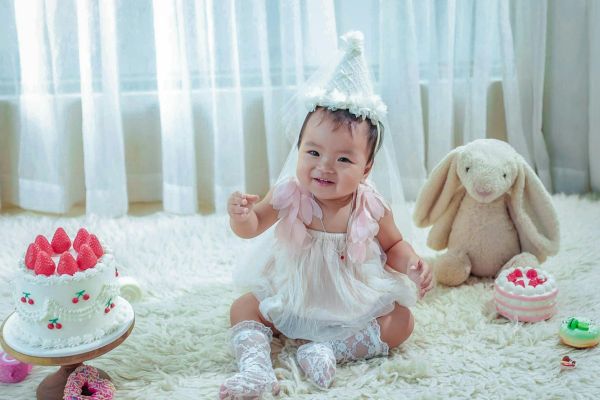
A baby’s first birthday feels bigger than an ordinary celebration. It marks twelve months of growth, discovery, sleepless nights, first smiles, tiny milestones, and a family learning its new rhythm. The birthday child may not remember the party years later, but the day often becomes an important memory for parents, grandparents, siblings, and everyone who helped make that first year special.
Planning the celebration can be exciting, though it is surprisingly easy to overcomplicate. Decorations, food, photographs, outfits, guests, and nap schedules all compete for attention. A practical baby’s first birthday party checklist helps keep the day meaningful without turning it into an exhausting production.
Decide What Kind of Celebration Feels Right
Before choosing a theme or ordering decorations, think about the kind of party that suits your baby and your family.
Some babies enjoy busy rooms and unfamiliar faces, while others become overwhelmed quickly. A large gathering may sound festive, but a smaller lunch with close relatives may create a calmer and happier experience. There is no correct guest count. The best choice is the one that respects the baby’s temperament and the parents’ energy.
Consider whether the party will take place at home, in a garden, at a relative’s house, or in a rented venue. Home celebrations can feel personal and comfortable, especially when the baby already knows the environment. An outside venue may offer more space, but it can also require additional packing and preparation.
Once the overall style of the celebration is clear, the remaining decisions become much easier.
Choose a Date Around the Baby’s Routine
The exact birthday may not be the best day for the party. A nearby weekend is often more convenient for guests and allows parents more time to prepare.
The start time matters just as much as the date. Plan around the baby’s usual nap and feeding schedule whenever possible. A well-rested baby is more likely to enjoy attention, photographs, and unfamiliar activity.
Late morning celebrations work well for many families because babies are often happiest after breakfast and a morning nap. Early afternoon may be better for a child with a different routine. Avoid scheduling the most important moments, such as the cake or family photographs, at the time when the baby normally becomes tired.
Routines do not always go according to plan, of course. Leaving some flexibility in the schedule prevents small delays from feeling like disasters.
Create a Realistic Guest List
A first birthday guest list can grow quickly. Parents may feel pressure to invite extended relatives, friends, neighbors, coworkers, and every family they have met during the year.
It helps to begin with the people who have a genuine relationship with the baby or have played a meaningful role in the family’s life. From there, consider the available space, budget, and noise level.
If many children will attend, think about their ages and what they will need. Toddlers may require a safe area to move around, while older children will appreciate simple activities. Babies may need a quiet corner for feeding or rest.
Send invitations early enough for guests to plan, but not so early that details are likely to change. Include the date, start and end time, location, and any useful information about parking, footwear, or outdoor conditions.
Select a Simple Theme and Color Palette
A party theme can make planning feel more connected, but it does not need to appear on every plate, wall, and napkin.
Choose an idea that feels cheerful and easy to work with. Animals, storybooks, stars, flowers, rainbows, woodland scenes, or a favorite color can provide enough direction. Some families skip a formal theme and use two or three coordinating colors instead.
Simple themes usually photograph better and create less visual clutter. One decorated wall, a birthday banner, balloons, and a small cake table may be all the space needs.
Remember that the baby is the focus of the day. Decorations should create atmosphere, not compete for attention or make the room difficult to move through.
Plan Decorations With Safety in Mind
A first birthday party involves curious hands, crawling babies, and guests who may not notice every small object.
Keep fragile decorations, candles, cords, sharp items, and small choking hazards out of reach. Secure balloons properly and remove broken pieces immediately. If using a backdrop, make sure it cannot tip forward.
Floor-level decorations may look attractive, but they are not always practical around babies. Leave open space for movement and place important displays higher up.
Fresh flowers, fabric banners, paper decorations, and large soft props can add warmth without creating too much risk. Check any decorative plants before using them, particularly if babies or pets may touch them.
The safest setup is one that allows adults to relax instead of constantly moving dangerous objects away from children.
Prepare Baby-Friendly Food and Drinks
Party food does not need to be elaborate. Choose items that can be prepared ahead and served easily.
For adult guests, a light meal, simple buffet, or selection of snacks is often enough. Consider foods that are easy to eat while standing or holding a child. Keep dietary needs in mind and label anything containing common allergens when helpful.
Prepare a few age-appropriate options for the birthday baby and other young children. Soft fruit, small sandwiches, cooked vegetables, plain pasta, or familiar finger foods may work, depending on the child’s stage and usual diet.
Avoid introducing a completely new food during the party. This is especially important for ingredients that could cause an allergic reaction.
Provide water and simple drinks throughout the celebration. Keep hot beverages away from table edges and busy areas where children are moving.
Decide on the Birthday Cake
The cake is often one of the most photographed parts of a first birthday, but it does not need to be large or complicated.
A small cake for the baby and a separate cake or dessert for guests can make serving easier. Some families choose a lightly sweetened baby cake, while others offer a small portion of the main cake. The choice depends on family preferences and what the child normally eats.
Avoid hard decorations, toothpicks, plastic toppers, and small candies on the baby’s portion. Remove candles before placing the cake within reach.
The baby may enthusiastically explore the cake, touch it cautiously, or refuse it completely. All three reactions are normal. Try not to place too much pressure on the moment. Often, the unexpected expressions make the best photographs.
Choose a Comfortable Birthday Outfit
A beautiful outfit is less useful if the baby cannot crawl, sit, or move comfortably in it.
Select soft clothing that fits properly and suits the temperature. Avoid scratchy fabrics, tight collars, loose buttons, and complicated accessories. If the outfit includes a headband, hat, bow tie, or shoes, test them before the party rather than introducing them that morning.
Keep a complete backup outfit nearby. Food spills, diaper leaks, and cake-covered sleeves are common during first birthdays.
Some parents choose one outfit for photographs and a simpler outfit for play and eating. This can work well, as long as the clothing change does not interrupt the baby’s mood.
Organize Photos Without Missing the Party
Photographs preserve the celebration, but spending the entire event behind a phone can make the day feel strangely distant.
Ask one trusted person to take informal pictures throughout the party, or assign different family members to capture certain moments. Make a mental note of the photographs that matter most, such as the baby with parents, grandparents, siblings, and close relatives.
Take a few family pictures early, before clothes become wrinkled and the baby becomes tired. Photograph the decorations and cake before guests arrive.
Natural moments are often more meaningful than perfectly posed ones. A baby reaching for a balloon, laughing with a grandparent, or resting against a parent may become the image everyone treasures most.
Prepare a Quiet Space for Breaks
Even a sociable baby can become overwhelmed by noise, attention, and constant activity.
Set aside a quiet room or corner where the baby can feed, rest, or spend a few minutes with a parent. Keep familiar comfort items nearby, such as a blanket, pacifier, toy, or favorite book.
Do not feel obligated to keep the birthday child in the center of the party at all times. A short break can prevent a complete emotional collapse later.
Guests usually understand when a baby needs space. The party should adapt to the child, not the other way around.
Plan a Few Simple Activities
First birthday parties do not require a packed entertainment schedule.
A soft play area, bubbles, music, board books, or a small collection of age-appropriate toys may be enough for younger children. Older children can enjoy coloring sheets, simple crafts, or an outdoor game.
Avoid activities with long instructions or strict timing. Guests will arrive at different moments, babies will need breaks, and conversations will naturally shape the event.
One meaningful activity could involve asking guests to write a short note, wish, or memory for the child to read later. These messages can be placed in a keepsake box or added to a baby memory book.
Pack the Practical Essentials
A well-stocked changing area can quietly save the day.
Have extra diapers, wipes, changing clothes, bibs, tissues, feeding supplies, and waste bags within easy reach. Include basic cleaning items for spills and sticky surfaces.
Keep any medicines or emergency supplies that the baby normally needs in a secure but accessible place. Make sure another trusted adult knows where they are.
It also helps to prepare containers for leftover food, gifts, cards, and decorations. The end of the party can become chaotic, and having a place for everything makes cleanup much more manageable.
Keep the Schedule Loose
A first birthday party does not need to run like a formal event.
Guests can arrive, settle in, eat, talk, and spend time with the baby. The cake can happen when the child is rested and interested rather than at an exact minute. Gifts do not have to be opened during the party, especially if the baby is tired or the guest list is large.
Build the day around a few key moments and allow the rest to unfold naturally. A flexible plan makes room for feeding delays, late arrivals, outfit changes, and unexpected naps.
The atmosphere will feel warmer when parents are present and relaxed rather than watching the clock.
A Celebration of the First Year
The most useful baby’s first birthday party checklist is not the one with the most decorations, activities, or carefully arranged details. It is the one that helps create a comfortable day for the baby and a meaningful memory for the family.
Choose a manageable guest list, work around the baby’s routine, prepare simple food, create a safe setting, and leave space for rest. The party may not unfold exactly as imagined. The baby might cry during the song, sleep through part of the celebration, or show more interest in wrapping paper than gifts.
That unpredictability is part of the charm. A first birthday is not about producing a perfect event. It is about pausing long enough to recognize how much has changed in one remarkable year.