

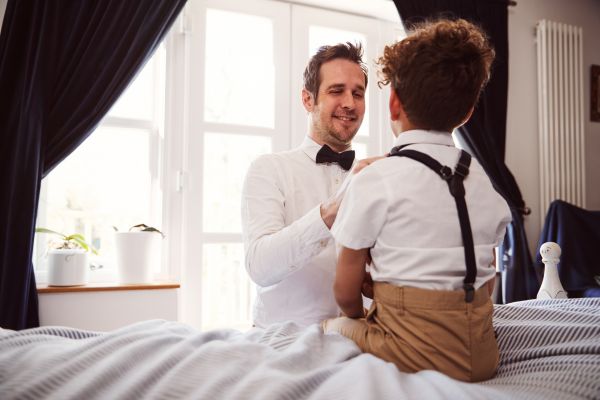
Matching family holiday outfits have become part of the season in much the same way as decorated trees, warm drinks, and slightly chaotic group photos. They bring a sense of togetherness to celebrations, whether the family is gathering for a formal dinner, exchanging gifts at home, attending a religious service, or posing for an annual photograph.
Still, there is a fine line between coordinated and overly staged. The most successful family outfits do not make everyone look identical. Instead, they connect through color, texture, or mood while allowing each person to feel comfortable and recognizable.
That matters because holiday memories are rarely perfectly polished. Children move, relatives arrive late, sleeves get rolled up, and somebody usually spills something before the first photograph is taken. The goal is not to create a flawless catalog image. It is to help the family look connected while still feeling like themselves.
Start With a Shared Color Story
The easiest way to coordinate a family is to choose a small group of colors rather than one exact shade. A palette of three or four colors gives everyone room to select clothing that suits their age, style, and comfort level.
Traditional holiday colors such as deep red, forest green, ivory, gold, and navy remain popular because they feel warm and familiar. However, families do not need to rely on obvious seasonal combinations. Soft beige, chocolate brown, muted blue, dusty rose, charcoal, and cream can create a quieter winter look.
The colors should complement one another without appearing too carefully arranged. One person might wear a green dress, another a cream sweater with dark trousers, and a child could wear a patterned shirt containing both shades. When photographed together, the outfits feel related without becoming repetitive.
It helps to consider the setting as well. Neutral clothing may stand out beautifully against colorful decorations, while richer tones can add warmth to a simple indoor background.
Coordinate Instead of Dressing Everyone Identically
Wearing exactly the same shirt or pajama set can be playful, especially for casual mornings at home. For larger gatherings or formal portraits, though, identical outfits can sometimes feel more like costumes than personal clothing.
A more natural approach is to repeat small elements across the group. Perhaps two family members wear velvet, while others include velvet bows, shoes, or hair accessories. One person may wear plaid trousers, while another chooses a scarf in the same pattern.
This kind of coordination makes matching family holiday outfits feel thoughtful rather than forced. It also gives adults and older children more freedom to choose shapes that flatter them.
Children, in particular, tend to look more comfortable when their clothing reflects their usual style. A child who dislikes dresses may be happier in a soft sweater and tailored trousers. A teenager who avoids bright red might wear navy with a subtle burgundy accessory. The family still looks connected, but nobody appears uncomfortable for the sake of the photograph.
Let One Outfit Set the Direction
Trying to plan every outfit at once can become overwhelming. A simpler method is to begin with one central piece and build around it.
This might be a patterned child’s dress, a parent’s favorite blazer, a traditional family garment, or a plaid shirt that already includes several useful colors. Once that piece is chosen, the rest of the clothing can echo its tones.
Starting with one outfit is especially useful when the family includes many people. A floral dress with cream, green, and burgundy details, for example, can inspire cream knitwear, dark green trousers, burgundy accessories, and neutral shoes for everyone else.
The central outfit does not need to belong to the person standing in the middle of the photo. Its purpose is simply to provide a visual starting point and prevent the final group from becoming a collection of unrelated colors.
Use Texture to Add Warmth and Depth
Holiday clothing often photographs beautifully because winter fabrics naturally create visual depth. Knitwear, velvet, corduroy, wool, lace, satin, and brushed cotton can make a simple color palette feel rich and seasonal.
Texture is particularly useful when the family is wearing mostly neutral shades. If everyone is dressed in cream, beige, and brown, different fabrics keep the group from looking flat. A chunky sweater, velvet dress, cotton shirt, and wool coat can all share similar colors while still appearing distinct.
Try not to include too many competing textures in one outfit. A velvet jacket, patterned shirt, shiny tie, and heavily textured trousers may become visually distracting. Usually, one noticeable fabric per person is enough.
Soft textures also work well for younger children, provided the garments are not itchy or restrictive. A beautiful outfit loses its charm quickly when a child is pulling at the collar or refusing to sit down.
Choose Patterns With Care
Patterns can bring personality to matching family holiday outfits, but they should be used in moderation. If everyone wears a different bold print, the final image may look busy and disconnected.
Choose one dominant pattern and allow the other outfits to remain mostly solid. Plaid is a natural holiday choice because it often includes several coordinating colors. Fair Isle knits, subtle checks, delicate florals, and small polka dots can also work well.
The scale of the pattern matters. Large prints attract attention and can dominate a group photograph, while smaller patterns tend to blend more easily. If one adult wears a bold plaid dress, the rest of the family might repeat individual colors from the pattern rather than adding more prints.
Patterns do not have to match exactly. A child’s small check shirt can work with a parent’s understated plaid scarf when the colors are similar. This creates connection without making the styling feel too deliberate.
Keep Comfort at the Center of the Plan
Holiday outfits are often worn for longer than expected. There may be travel, meals, gift opening, games, photographs, and hours of conversation. Clothing should allow everyone to participate without constantly adjusting straps, collars, shoes, or waistbands.
This is especially important for babies and young children. Soft fabrics, flexible waistbands, easy fastenings, and comfortable shoes will usually produce better photographs than formal clothing that causes irritation.
Layers can help families adjust to changing temperatures. A child may wear a cardigan over a festive shirt, while adults can add or remove jackets and scarves. Layers also provide visual variety, making it possible to create slightly different looks without changing clothes completely.
Consider the reality of the gathering. If the family will spend most of the day sitting on the floor with children, extremely fitted clothing may be inconvenient. If the celebration includes outdoor activities, thin indoor outfits will not feel practical.
Comfort creates relaxed body language, and relaxed people almost always look better in photographs.
Plan for Different Ages and Personal Styles
A family may include babies, toddlers, teenagers, adults, and grandparents, all with different needs. Expecting one exact style to suit everyone is rarely realistic.
Instead, allow each generation to interpret the shared palette in its own way. Grandparents may prefer classic tailoring, teenagers may choose simpler pieces, and younger children can wear softer, more playful versions of the same colors.
Accessories are helpful when someone does not want to wear a main palette color. A person dressed in black or navy can add a scarf, pocket square, necklace, headband, or pair of socks that connects with the rest of the group.
Personal style should not disappear completely. Matching works best when it creates harmony rather than uniformity. The final picture should still feel like a gathering of individuals, not a group wearing assigned costumes.
Think About the Background Before Getting Dressed
Clothing choices can look very different depending on the environment. A family standing in front of a heavily decorated tree may benefit from simpler outfits, while a plain studio wall can handle stronger colors and patterns.
If the holiday photograph will be taken outdoors, consider the natural tones of the location. Forest settings work beautifully with cream, rust, burgundy, and navy. Snowy backgrounds can make pale clothing disappear, so deeper shades may provide better contrast.
Indoor lighting also matters. Very dark clothing can lose detail in dim rooms, while pure white may appear overly bright under strong lighting. Soft off-white, oatmeal, or light gray often photographs more gently.
Families taking pictures at home may want to stand in the intended location before choosing clothing. A quick phone photo of the background can reveal which colors are already present and which ones may clash.
Prepare for Small Changes During the Day
Even carefully chosen outfits will change once the celebration begins. Jackets come off, children lose shoes, sleeves are pushed up, and accessories disappear. That is not necessarily a problem.
Take formal family photographs early, before meals and active play. Afterward, allow the outfits to become more relaxed. Candid photographs often look more genuine once everyone stops worrying about staying perfectly arranged.
For young children, keeping a backup shirt or simple outfit nearby can be useful. Babies may need a complete change, while toddlers are unusually talented at finding sticky food just before a photograph.
The backup clothing does not need to match exactly. Staying within the same general color family will keep later pictures consistent.
Create a Look That Still Feels Like Your Family
Matching family holiday outfits are most successful when they reflect the people wearing them. A family that prefers casual gatherings may feel right in knitwear, jeans, and soft slippers. Another family may enjoy formal dresses, jackets, polished shoes, or traditional clothing connected to cultural celebrations.
There is no single correct holiday style. The clothing should support the mood of the occasion rather than compete with it.
A coordinated palette can bring visual harmony, but the expressions, relationships, and small interactions are what make the photographs meaningful. A toddler laughing in a slightly crooked sweater or a grandparent holding a sleepy baby will matter far more than whether every shade matches perfectly.
Dressing for the Memory, Not Just the Photograph
The appeal of matching family holiday outfits is not really about fashion alone. It is about creating a visible sense of connection during a season built around shared traditions and time together.
Thoughtful coordination can make photographs feel polished, but it should never create unnecessary pressure. Choose colors that work together, include a few seasonal textures, respect individual preferences, and make comfort a priority. Then let the day unfold naturally.
Years later, the family may notice the clothing first, but they will remember much more: who made everyone laugh, which child refused to keep their shoes on, and how it felt to gather in that particular room during that particular holiday. The outfits simply help frame the memory.