

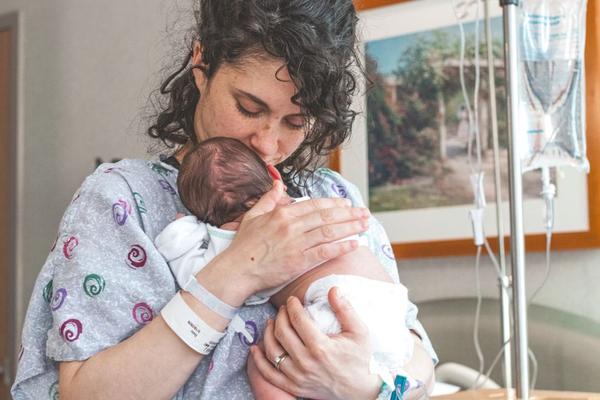
The first days with a new baby can be surprisingly practical. Alongside feeding and sleep, your body may be dealing with bleeding, cramping, soreness, breast changes, constipation, fatigue or recovery from surgery. Planning for that reality before labour can make the early weeks less chaotic. Postpartum recovery prep before birth is not about predicting exactly how delivery will go. It is about having flexible supplies, reliable support and a clear plan for getting medical help when you need it.
Plan for more than one version of recovery
A useful postpartum plan should work whether you have a vaginal birth, a perineal tear, an assisted delivery or a caesarean. Recovery can change after you get home, so avoid building expectations around one perfect timeline. Some discomfort may last days, while other symptoms can continue for several weeks.
During the third trimester, ask your maternity team what is normally supplied after birth and what you will need at home. Ask about pain relief, wound or perineal care, bowel care, activity restrictions, follow-up appointments and who to contact outside normal clinic hours. If you have a planned caesarean or a higher-risk pregnancy, ask what extra support may be sensible.
A guide to birth plans and preferences is a natural next read when deciding who will support you during labour and immediately after delivery.
Build a simple postpartum recovery kit
Your postpartum recovery kit does not need to be expensive. Large absorbent pads are useful because vaginal bleeding and discharge are expected after birth, including after a caesarean. A peri bottle can make cleaning more comfortable after a vaginal delivery, especially when the perineum is sore.
Cold packs may help with early perineal swelling, while comfortable high-waisted underwear and loose clothing can reduce friction. Keep a water bottle, easy snacks and any prescribed medicines somewhere you can reach without repeatedly climbing stairs.
Do not automatically buy medications or topical products because they appear on a social-media checklist. Ask your doctor, midwife or pharmacist what is suitable for you, particularly if you are breastfeeding, have allergies, take other medicines or have a medical condition. Common postpartum pain medicines can be appropriate for many people, but your own care team should guide what you take.
Prepare the house around reduced energy
Preparing for postpartum is partly about removing small jobs from the first couple of weeks. Place basic supplies where you will actually use them. If your bedroom is upstairs but you expect to spend much of the day downstairs, create a second station with pads, water, feeding supplies, nappies, wipes, chargers and snacks.
Think in terms of movement rather than décor. After a caesarean, lifting and strenuous activity may be limited, and even after a vaginal birth you may feel sore or tired. Put frequently used items within easy reach and clear trip hazards.
For example, a parent coming home after an unplanned caesarean may find that a basket beside the sofa containing pain medicines, a water bottle, burp cloths and baby-changing basics is more useful than a perfectly organised nursery. That is the spirit of fourth trimester prep: design the home around recovery, not around an idealised newborn routine.
Decide who will do what before the baby arrives
Support is easier to accept when it has already been assigned. Instead of telling relatives to “help when needed,” give people specific jobs. One person can handle meals, another can manage shopping, and a partner can protect rest periods and take over household admin.
Decide how visitors will work too. You may want short visits, no surprise drop-ins or a rule that guests help with something practical rather than expecting to be hosted. Protecting recovery time can reduce the physical and emotional load on a parent who is healing while caring for a newborn.
A newborn sleep expectations guide can also help families organise realistic shifts instead of assuming the recovering parent will simply sleep whenever the baby sleeps.
Make a medical follow-up plan
Postpartum care should be thought of as an ongoing process, not just one appointment. Before birth, confirm when your first postpartum contact is expected and how extra visits are arranged if you have pain, blood-pressure concerns, feeding problems, mood symptoms or wound issues. Save the clinic number and out-of-hours contact details in both your phone and your support person’s phone.
Know the urgent warning signs. Seek immediate medical help for symptoms such as heavy bleeding that soaks through a pad in an hour, chest pain, trouble breathing, fainting, a severe or worsening headache, major vision changes, fever, severe abdominal pain, or one-sided leg swelling and pain. Thoughts of harming yourself or your baby also require urgent help. Serious pregnancy-related problems can occur after delivery, so do not dismiss a worrying symptom simply because the birth is over.
Include emotional recovery in the plan
The postpartum period is not only physical. Tearfulness or feeling overwhelmed can happen in the early days, but symptoms that persist, worsen or make daily life difficult deserve professional attention. Postnatal depression and anxiety can begin during pregnancy or after birth.
Before delivery, choose at least one person you can speak to openly. Save the contact details for your maternity team, primary-care clinician or mental-health service. Postpartum mental health support is another useful topic to read before birth so you and your family know what changes should prompt a conversation with a professional.
FAQ
When should I start postpartum recovery prep before birth?
The third trimester is a practical time to start. Begin with medical questions and support arrangements, then add household supplies and recovery items before the final weeks if possible. Earlier planning may help if you have a scheduled caesarean, limited local support or a pregnancy complication.
What are the most useful postpartum supplies?
Common basics include absorbent pads, comfortable underwear, a peri bottle, a water bottle, easy snacks and any medicines recommended specifically for you. Cold packs may help after a vaginal birth, while loose clothing and a setup that reduces unnecessary lifting can be helpful after a caesarean.
How much help should I arrange after birth?
There is no single right amount, but practical help is valuable even after a straightforward delivery. If possible, arrange support for meals, cleaning, shopping, older children or pets during the first one to two weeks. Recovery after a caesarean, significant tear, blood loss or another complication may require more assistance.
What if my birth does not go as planned?
Flexible preparation works better than a highly specific recovery script. Keep supplies simple, organise practical support and ask your care team what changes after your actual delivery. The goal is not to prepare for every possible complication, but to make adapting easier.
Give recovery the same attention as birth preparation
Birth plans often get weeks of attention while recovery is left for later. A small recovery kit, a realistic home setup, clearly assigned support and saved medical contacts can remove dozens of decisions from days when you are tired and healing. Prepare for flexibility, ask your care team for personalised guidance, and give your own recovery a place on the checklist before the baby arrives.