

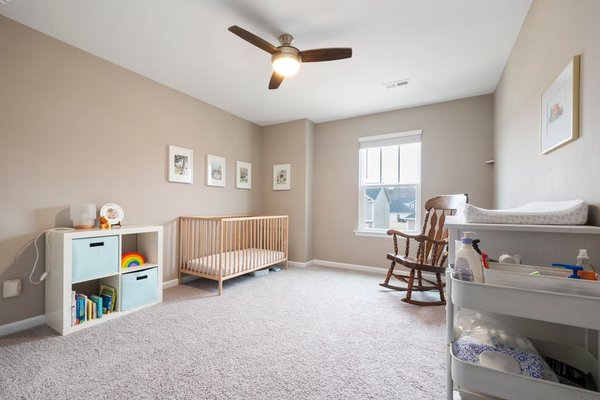
Designing a nursery can quickly become an exercise in overbuying. Social feeds are filled with coordinated furniture, expensive accessories and products that seem essential until the baby arrives. The more thoughtful 2026 approach is different: buy less, choose carefully and create a room that supports family life rather than a photo shoot.
Minimalist nursery ideas are not about making a room cold or unfinished. They focus on reducing visual noise, prioritising useful pieces and leaving space for the room to evolve. A calm nursery can still feel warm and personal, even on a modest budget.
Start With the Room You Already Have
Before shopping, clear the space and notice its natural strengths. Look at where daylight enters, which wall offers a practical position for the cot and whether an existing wardrobe, chest or chair can be reused. Starting with the room prevents you from designing around products you do not need.
Paint can make the biggest difference in a budget nursery. Warm white, soft beige, muted clay, pale sage and gentle grey all suit a neutral nursery. A consistent wall colour creates a clean backdrop, allowing books, textiles and toys to add personality later.
Choose a Flexible Colour Palette
A limited palette helps inexpensive pieces look coordinated. Select one main neutral, one supporting shade and a small accent colour. Warm white walls, natural wood furniture and touches of dusty green, for example, can feel polished without requiring a matching set.
Keep permanent elements neutral and use smaller items for colour. Curtains, fitted storage and larger furniture can remain for years, while artwork and accessories are easier to change. This simple nursery decor approach allows the room to grow with your child instead of needing a complete redesign.
Spend on Function, Not Matching Furniture
A cot, a suitable mattress and practical storage matter more than a coordinated nursery suite. Pieces in slightly different finishes can still work together when their shapes are simple and the overall palette is restrained.
Look for furniture that can serve more than one purpose. A sturdy chest of drawers can become a changing station with a secure changing mat, then return to ordinary storage. A comfortable chair from another room may be ideal for feeding, while a low bookshelf can later hold toys and picture books.
Buy Second-Hand Selectively
Pre-owned wardrobes, drawers, shelving and nursing chairs can reduce costs. Check for solid construction, smooth edges and surfaces that can be cleaned thoroughly. New handles or a suitable coat of paint can make an older piece feel intentional.
Be more cautious with sleep products. Follow the cot manufacturer’s instructions and use a firm, flat mattress that fits correctly. Keep pillows, cot bumpers, loose blankets and decorative soft items out of the baby’s sleep space. A clear cot is both safer and more consistent with minimalist design.
Create Storage That Controls Clutter
Babies may be small, but their supplies multiply quickly. Good storage should make daily routines easier rather than simply hide more belongings. Group similar items together and keep frequently used products within comfortable reach.
Baskets inside a wardrobe can separate sleepsuits, muslins, nappies and spare bedding. Drawer dividers keep tiny clothes organised. Closed storage works well for practical supplies, while one or two open shelves can display books or a favourite keepsake.
For small nursery ideas, use vertical space carefully. A secure tall bookcase or wall-mounted shelves can add storage without using much floor area. Keep heavy objects low, attach suitable furniture to the wall and avoid placing shelves or framed items directly above the cot.
Add Warmth With Practical Textiles
A minimalist room still needs softness. Curtains, a washable rug and a few well-chosen fabrics can make simple furniture feel comfortable and complete. The goal is to layer texture rather than fill every surface.
Cotton, linen-effect fabrics, woven baskets and a low-pile rug work well in a neutral nursery. Subtle variation in cream, oatmeal, tan and muted colour creates depth while maintaining a calm atmosphere.
Choose washable materials whenever possible. Nursery life includes spills, dust and frequent laundry, so easy-care fabrics are more valuable than delicate decorative pieces. Practicality is what helps the room continue looking good after real life begins.
Decorate With Meaning, Not Volume
Instead of covering every wall, choose one or two focal points. A pair of framed prints, a fabric wall hanging or a small display of picture books can provide enough interest. Family photographs or handmade pieces often feel more special than a large collection of trend-led accessories.
Blank wall space is part of the design. It lets the eye rest and makes displayed items feel deliberate. You can also rotate books and toys rather than keeping everything visible at once. The room stays easier to tidy, and familiar objects feel fresh when they return.
Plan the Layout Around Daily Routines
A beautiful nursery only succeeds when it works during tired mornings and late-night feeds. Keep nappies, wipes, clothes and a laundry basket near the changing area. Place a small table beside the feeding chair for water, muslins and a lamp. Keep pathways clear and avoid crowding the cot.
Use brighter general lighting for cleaning and dressing, then add a soft lamp for evenings. A warm, dim light can create a calmer atmosphere without requiring an expensive nursery-specific fixture.
Set a Budget Before Browsing
Divide spending into essentials, useful extras and decorative items. Buy the essentials first, then live with the room before adding more. This pause often reveals what is genuinely missing and prevents impulse purchases.
A successful budget nursery is usually built gradually. Compare prices, accept useful hand-me-downs and wait for sales on items you have already chosen. Spend where durability, comfort or safety matters, and save on purely decorative details.
Frequently Asked Questions
How do I make a nursery look minimalist?
Use a limited colour palette, keep surfaces mostly clear and choose furniture with simple shapes. Store supplies in drawers or baskets, then display only a few meaningful books, prints or keepsakes.
What are the essentials for a minimalist nursery?
The essentials are a suitable cot and mattress, clothing storage, changing supplies and a comfortable place for feeding or soothing. Other items should reflect your room, routine and available space.
Can a neutral nursery still feel cosy?
Yes. Combine warm neutrals with natural wood, soft lighting and washable textures such as curtains, rugs and woven storage. Small variations in tone prevent the room from feeling flat.
How can I design a small nursery on a budget?
Use multi-purpose furniture, vertical storage and an open floor plan. Reuse pieces from other rooms, buy suitable items second-hand and avoid oversized matching sets.
A Calm Room Built for Real Life
The best minimalist nursery is not the emptiest or most perfectly styled. It is the one that makes everyday care easier, feels peaceful to spend time in and can change as your child grows. Flexible furniture, thoughtful storage and a restrained palette can create a beautiful nursery without overspending.
Start with what you need now, leave space for what you may need later and let the room develop alongside your family. That slower, more intentional approach is what makes minimalist design practical and lasting.