

Buying second hand baby gear is no longer something families quietly do on the side. In 2026, the de-influencing mood has reached baby registries: parents are questioning the pressure to buy every gadget new and openly welcoming hand-me-downs. That can help both your budget and the environment.
However, “preloved” does not automatically mean safe. Some used baby gear is an excellent purchase after inspection, while other items carry hidden risks. The smartest approach is knowing what requires a firm no, what deserves extra research and what is usually lower risk.
Start With a Non-Negotiable Safety Check
Before paying, ask for the brand, exact model, model number and date of manufacture. Use those details to search official baby gear recalls. “Barely used” tells you nothing about whether the item was recalled, assembled incorrectly or stored in damp conditions.
Skip any product with a missing label, unknown model, cracked frame, loose hardware, frayed straps, exposed foam, rust, mold or a homemade repair. The original manual should be available online, and every required component should be present. Never substitute a screw, buckle, mattress or strap from another product.
In the Nursery, Be Especially Selective
Cribs and bassinets
Sleep products deserve the strictest standards. In the United States, modern crib rules took effect in June 2011, strengthening slats, mattress supports and hardware while ending traditional drop-side designs. Avoid older cribs unless documentation shows they meet current requirements. Reject any drop-side crib or one with damaged slats, wobbling joints, missing hardware or a DIY repair.
Assemble the crib before use and confirm the mattress support is secure. For bassinets, play yards and bedside sleepers, check that the frame locks fully, the mesh has no tears and the sleeping surface is the original one made for that model.
Mattresses and sleep accessories
A secondhand crib mattress may look clean while hiding sagging, moisture damage or a poor fit. If its history is unclear, a new, firm mattress is the safer choice. There should be no gaps around the edges, and the surface should remain flat under pressure.
Do not use padded bumpers, sleep positioners, pillows, loose blankets or aftermarket mattress toppers. Current safe-sleep guidance calls for a firm, flat surface with a fitted sheet only. Decorative thrifted baby items can be used elsewhere in the room, but not inside an infant’s sleep space.
For Travel Gear, History Matters
Car seats are usually best bought new
A car seat can have invisible crash damage, so photographs are not enough. Consider a secondhand seat only when you know its complete history from a trusted person. The National Highway Traffic Safety Administration advises confirming that it has not been in a moderate or severe crash, has readable labels, is not expired or recalled, includes every part and has its manual.
If the seller cannot confidently answer those questions, avoid it. Also reject seats with missing inserts required for the child’s size, stress marks in the shell or an unknown expiration date. Saving money is not worth gambling on crash protection.
Secondhand stroller safety needs a hands-on test
Strollers are often reasonable secondhand purchases, but inspect them in person. Check recalls, test the brakes on a slight slope without a child, buckle the harness, turn every wheel and fold and unfold the frame several times.
Good secondhand stroller safety also means looking for stretched fabric at attachment points, a bent frame, loose rivets, corrosion and folding locks that do not engage cleanly. Confirm that any bassinet, car-seat adapter or ride-on board was designed for that exact model.
Be Careful With Feeding and Hygiene Products
High chairs
A used high chair may be worthwhile if it is stable, cleanable and complete. Make sure the restraint system works, including the crotch restraint that prevents a child from sliding under the tray. Test wheel locks, recline controls and folding latches. Avoid chairs with cracked plastic, torn straps, missing screws or a tray that releases unexpectedly.
Bottles, pacifiers and breast pumps
Undamaged bottle bodies can sometimes be reused after thorough cleaning, but nipples, pacifiers and other soft parts that go into a baby’s mouth should generally be purchased new. They can weaken, split or retain residue over time.
Be particularly cautious with breast pumps. The FDA advises against buying or sharing pumps designed for a single user because contamination may remain inside areas that cannot be fully cleaned. Only pumps specifically designed for multiple users should be shared, with a new personal accessory kit for each person.
Which Items Are Usually Easier to Buy Secondhand?
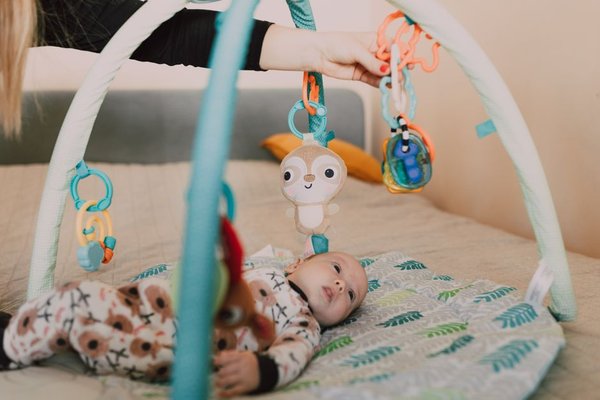
Clothing, books, washable toys, sturdy dressers and activity mats can be sensible choices when clean and sound. Check toys for loose parts, peeling paint, magnets, button batteries or cords. Anchor dressers and changing furniture to the wall as instructed.
Soft goods should be washable and free from smoke smells, pests and mold. Ask how the item was stored. A fabric product kept in a dry indoor cupboard is very different from one left for years in a garage or shed.
A Practical Checklist Before You Pay
When buying second hand baby gear, slow the transaction down. Confirm the model and manufacturing date, search recalls, download the manual, inspect every safety feature and calculate the cost of replacement parts. Ask whether anything has broken or been repaired.
Trust your judgment. If the seller avoids specific questions or the item cannot be fully tested, leave it behind. Another bargain will appear. Your goal is not to win every deal; it is to save money without inheriting someone else’s safety problem.
Frequently Asked Questions
What baby gear should never be bought secondhand?
Avoid recalled products, damaged sleep items and gear with an unknown identity. Car seats with an uncertain crash history and single-user breast pumps should also be skipped. Crib bumpers, sleep positioners and unsafe inclined sleep products should not be used even if they are free.
How do I check used baby gear for recalls?
Find the manufacturer, model number and manufacture date on the product label, then search the official recall database for your country. In the United States, check the Consumer Product Safety Commission for nursery products and NHTSA for car seats.
Is it safe to buy a used stroller?
It can be, provided the stroller has not been recalled and its harness, brakes, wheels, frame and folding locks work correctly. Reject any stroller with missing labels, structural damage or incompatible replacement parts.
Can I put secondhand items on a baby registry?
Yes. Tell friends and family that gently used clothing, books, toys or selected gear are welcome. Be specific about which products must be new and ask gift-givers to include model details for safety-critical items.
Save Money Without Compromising Safety
The secondhand baby market can reduce waste and make parenthood more affordable, but the best deal is always a safe one. Focus on traceable products in excellent condition, treat recalls and manuals as essential, and buy new when a product’s history affects its ability to protect your baby. Thoughtful secondhand shopping is not about cutting corners; it is about reusing what makes sense and refusing risk where it does not.