

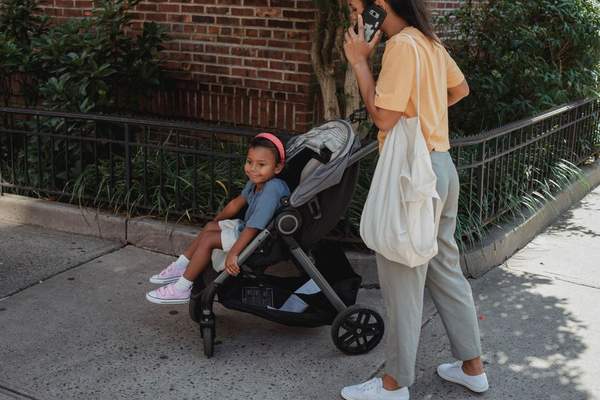
Baby registries used to be predictable: a stroller, a car seat, a diaper bag, done. But walk through any registry consultation in 2026 and you’ll hear one phrase over and over — modular stroller system. Brands like UPPAbaby have turned what used to be a single-purpose purchase into a build-your-own setup that adapts from newborn bassinet mode to toddler seat to double-kid configuration, all using one core frame. It’s become one of the biggest registry trends of the year, and for good reason. But is it actually worth the higher price tag, or is a traditional stroller still the smarter buy for most families? Let’s break down modular stroller vs traditional stroller in practical terms, so you can register for (or buy) the right one the first time.
What’s the Real Difference Between Modular and Traditional Strollers?
A traditional stroller is built to do one job well. You buy it, you use it, and when your child outgrows it, you sell it or pass it down. It’s usually a single frame with a fixed seat, sometimes paired with a car seat adapter to function as a basic travel system stroller.
A modular stroller, on the other hand, is designed around a central stroller frame that accepts different attachments over time — a bassinet for newborns, a toddler seat, a second seat for a sibling, even a cargo attachment for gear. Instead of buying a new stroller at every stage, you’re customizing one system as your family’s needs change. This is essentially what people mean when they talk about a convertible stroller: one investment, multiple configurations.
Modular Systems in a Nutshell
Think of the UPPAbaby Vista as the poster child for this category. It starts as a bassinet stroller for a newborn, converts to a toddler seat, and can expand to carry two children with the right add-ons. The frame stays the same; what sits on top of it changes.
Traditional Strollers in a Nutshell
A traditional stroller is simpler by design. There’s less to configure, fewer parts to lose, and often a lower price point. Many parents pair one with an infant car seat early on, then transition to a standard stroller seat once their baby can sit up unassisted.
Modular Stroller vs Traditional Stroller: Key Comparison Points
1. Longevity and Value Over Time
This is where modular systems tend to win on paper. A single stroller frame that grows with your child — from bassinet to toddler seat to sibling setup — can replace two or three separate strollers over several years. If you’re planning more than one child, the cost-per-use math often favors the modular route, even with a higher upfront price.
2. Upfront Cost
Traditional strollers almost always win here. You can find a solid traditional stroller for a fraction of what a modular system like the UPPAbaby Vista costs. If budget is the main concern and you only need it for one child, a traditional stroller is hard to argue against.
3. Weight and Portability
Modular systems, especially with a bassinet or double-seat attachment, tend to be heavier and bulkier. Traditional strollers — particularly lightweight umbrella-style models — are easier to fold, lift into a trunk, and maneuver through airports. If you’re a family that travels often or lives in a walk-up apartment, this is worth weighing seriously.
4. Travel System Compatibility
Both types can typically function as a travel system stroller when paired with an infant car seat, but modular frames usually offer broader compatibility across car seat brands and even accept bassinets directly, which traditional strollers often can’t.
5. Customization for Growing Families
If you already know you want two kids close in age, a modular convertible stroller is genuinely practical. Many modular frames convert to a side-by-side or tandem double stroller without buying an entirely new unit — something a traditional single stroller simply can’t do.
Who Should Register for a Modular Stroller?
Modular systems make the most sense for:
Families planning multiple children who want one frame to last through several stages. Parents who want a true newborn-to-toddler solution without switching strollers every year. Registrants who have the budget flexibility and are comfortable investing more upfront for long-term value. Anyone drawn to the flexibility of building a custom setup rather than replacing gear as needs change.
Who Should Stick With a Traditional Stroller?
A traditional stroller is usually the better fit for:
First-time parents who want something simple and don’t need every attachment option. Families on a tighter budget who’d rather spend elsewhere on the registry. Parents who prioritize light weight and easy folding over customization. Anyone unsure yet about having more children, who doesn’t want to pay for future-proofing they may not use.
A Quick Note on Registry Strategy
If you’re building a baby registry and torn between the two, it can help to register for a modular stroller as a bigger-ticket group gift item, since these often run higher in price and are well-suited to being split among multiple guests. A traditional stroller, by contrast, is easier for a single guest to purchase outright. Either way, testing the stroller frame in person — checking how it folds, how it steers, and how heavy it feels loaded — matters more than any spec sheet.
Frequently Asked Questions
Is a modular stroller worth the extra cost?
It depends on your plans. If you intend to have more than one child or want a single system that lasts from infancy through toddlerhood, the cost often evens out over time. For one child only, a traditional stroller may offer better value.
Can a modular stroller be used as a travel system?
Yes. Most modular systems, including the UPPAbaby Vista, are designed to work with a range of infant car seats, functioning as a full travel system stroller right from the newborn stage.
Are modular strollers harder to fold or transport?
Generally, yes, especially with a bassinet or second-seat attachment installed. If portability is a top priority, compare fold size and weight carefully before deciding, or lean toward a traditional stroller.
Do I need a convertible stroller if I’m only having one child?
Not necessarily. A convertible stroller shines when a stroller frame needs to serve multiple stages or multiple children. For a single child, a well-chosen traditional stroller can meet your needs without the added expense.
Final Thoughts
There’s no universal winner in the modular stroller vs traditional stroller debate — it comes down to your family’s size, budget, and lifestyle. If you want one adaptable system that grows with your family and doubles as a full travel system stroller, a modular option like the UPPAbaby Vista is worth the investment. If simplicity, portability, and a lower price point matter more, a traditional stroller will likely serve you just as well. Either way, understanding how these two categories differ puts you in a much stronger position to register for the right one, not just the trendiest one.