

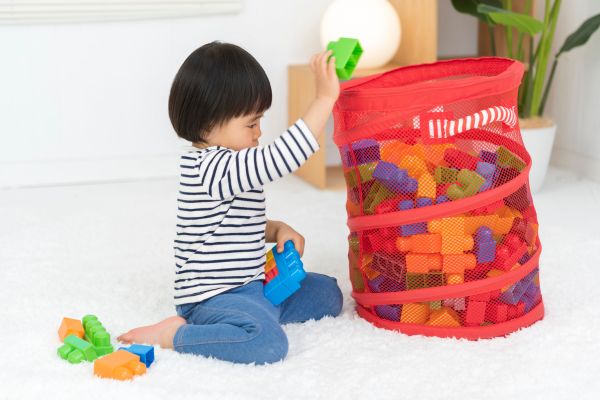
Baby toys have a funny way of traveling everywhere. One minute they are tucked beside a baby on a play mat, and the next they are on the floor, under the sofa, in the diaper bag, or being happily chewed like a snack. For babies, toys are not just for play. They are for exploring textures, sounds, shapes, and, very often, taste. That is exactly why cleaning baby toys safely matters so much.
Still, toy cleaning can feel a little confusing at first. Some toys can go in warm soapy water. Others should never be soaked. Soft toys may need washing, while electronic toys need a much gentler approach. Parents often wonder how clean is clean enough, and whether every toy needs to be disinfected daily. The answer is usually simpler than it seems. A practical, gentle routine can keep toys fresh without turning the whole house into a cleaning project.
Why Baby Toys Need Regular Cleaning
Babies learn through touch, and almost everything they touch eventually reaches their mouth. Toys can pick up dust, saliva, food residue, pet hair, and germs from floors, hands, bags, and other surfaces. This does not mean parents need to panic every time a toy drops. A little everyday exposure is part of normal life. But regular cleaning helps reduce the buildup of grime and keeps playtime more comfortable and hygienic.
Cleaning baby toys safely is especially important during teething, after illness, or when toys are shared with other children. A teething toy, for example, may be used several times a day and covered with saliva. A plush toy may collect dust and drool over time. Bath toys can trap moisture if they are not dried properly. Each type of toy needs slightly different care, but the purpose stays the same: remove dirt, reduce germs, and protect the baby from harsh chemicals.
Understanding the Difference Between Cleaning and Disinfecting
Many parents use the words cleaning and disinfecting as if they mean the same thing, but they are not quite identical. Cleaning removes visible dirt, sticky residue, dust, and some germs from the surface. This is usually done with warm water and mild soap. Disinfecting goes a step further by using a solution that kills more germs.
For everyday toy care, cleaning is often enough. A toy that has been used during normal play does not always need strong disinfectant. Warm soapy water, proper rinsing, and thorough drying can do a lot. Disinfecting is more useful when a baby has been sick, when toys have been shared outside the home, or when a toy has come into contact with something especially dirty.
The key is balance. Babies are sensitive, and strong chemical residues are not something you want left behind on items they chew or hold. Safe cleaning is not about using the strongest product available. It is about using the right method for the toy and rinsing or wiping carefully afterward.
Reading Toy Care Labels Before Cleaning
Before washing any toy, it is worth checking the care label or packaging if it is still available. Some toys have clear instructions, especially plush toys, silicone teethers, and activity toys with batteries. These instructions can prevent damage and help parents avoid soaking something that should only be wiped.
Toys with batteries, lights, buttons, or music boxes should never be submerged in water. Wooden toys may crack, swell, or lose their finish if soaked for too long. Fabric toys may be machine washable, but some have delicate stitching or inner rattles that need gentler cleaning. Plastic toys are usually easier, though even they may have small openings where water can get trapped.
When in doubt, choose the gentler method first. A damp cloth with mild soap can clean many toys without causing damage.
Cleaning Plastic and Silicone Toys
Plastic and silicone toys are usually the easiest to clean. These include teethers, stacking rings, rattles, cups, links, and many everyday baby toys. If the toy has no batteries and no fabric parts, it can often be washed with warm water and mild dish soap.
A soft cloth or small brush can help clean grooves, corners, and textured areas. After washing, the toy should be rinsed well so no soap remains. This step matters because babies often put toys straight back into their mouths. Once rinsed, toys should be air-dried completely on a clean towel.
Some silicone teethers may also be safe for boiling or dishwasher cleaning, but only if the manufacturer’s instructions allow it. Not all teethers are made the same way. Some have filled parts, decorative areas, or materials that may not handle high heat. Simple washing is usually enough for daily care.
Cleaning Soft Toys and Plush Animals
Soft toys can be comforting, but they also collect dust, saliva, and little bits of everyday life. Many plush toys can be washed in a machine on a gentle cycle, especially if the label says they are washable. Placing them in a laundry bag or pillowcase can help protect their shape.
A mild, baby-safe detergent is usually a good choice. Strong fragrances are best avoided, especially for babies with sensitive skin or allergies. After washing, the toy should be dried thoroughly. Damp stuffing can lead to unpleasant smells or mildew, which is the last thing you want near a baby’s face.
For plush toys that cannot be machine washed, spot cleaning works well. A damp cloth with a small amount of mild soap can be used on dirty areas. Afterward, wipe again with a clean damp cloth and let the toy dry completely. If a soft toy has batteries or a sound box inside, it should only be surface cleaned unless the electronic part is removable.
Cleaning Wooden Baby Toys
Wooden toys have a warm, natural feel, but they need careful cleaning. Unlike plastic, wood can absorb water. Soaking wooden toys can cause swelling, cracking, or rough edges. For this reason, it is better to wipe them with a damp cloth rather than place them in a sink.
A little mild soap can be used if the toy is sticky or dirty, followed by another wipe with clean water. The toy should then be dried with a towel and left in open air until fully dry. Avoid putting wooden toys in the dishwasher or leaving them near strong heat, as this can damage the surface.
If a wooden toy starts to splinter, peel, or feel rough, it should be removed from play. Cleanliness matters, but safety matters even more.
Cleaning Bath Toys Properly
Bath toys seem clean because they spend time in water, but they can actually become some of the trickiest toys to maintain. Moisture can stay inside squeeze toys, especially those with small holes. Over time, this trapped water can encourage mold growth.
After bath time, toys should be rinsed with clean water and squeezed out fully if they hold water. Then they should be placed somewhere they can dry completely. A mesh bag or open basket that allows airflow is better than a closed container.
Toys with holes should be checked often. If dark residue appears inside and cannot be cleaned out properly, it may be time to replace the toy. Some parents prefer bath toys without holes because they are easier to dry and keep clean.
Cleaning Electronic and Musical Toys
Electronic toys need a careful touch. Anything with batteries, lights, or sound should be kept away from running water. Instead, remove the batteries if possible and wipe the surface with a slightly damp cloth. A small amount of mild soap can be used on sticky spots, but the cloth should not be dripping wet.
After cleaning, wipe the toy again with a clean damp cloth to remove any soap. Then dry it with a towel and allow it to air-dry before returning the batteries. Pay special attention to buttons and seams, where dirt may collect. Cotton swabs can help with small spaces, but they should be used gently.
Disinfecting wipes may be used on some hard electronic toy surfaces, but the toy should be wiped again if the product leaves residue. Since babies touch and mouth their toys, the surface should feel clean, dry, and free from any strong smell before playtime.
How Often Baby Toys Should Be Cleaned
There is no single schedule that fits every home, but a simple rhythm helps. Toys that go into the baby’s mouth, like teethers and rattles, should be cleaned often, especially after they fall on the floor or are used outside. Favorite toys that are handled daily can be washed or wiped several times a week. Plush toys may need washing every couple of weeks, or sooner if they become dirty.
Toys should also be cleaned after playdates, after illness, after being taken outdoors, or after contact with food or spit-up. Bath toys need regular drying after every use and deeper cleaning from time to time.
The goal is not perfection. It is consistency. A steady, realistic habit is far better than waiting until everything feels overwhelming.
Choosing Safe Cleaning Products
When cleaning baby toys safely, mild products are usually best. Warm water and gentle soap can handle most everyday messes. For disinfecting, parents should use baby-safe or food-contact-safe options when appropriate, always following directions carefully.
Harsh bleach smells, strong sprays, and heavily fragranced cleaners are not ideal for toys babies may chew. If a disinfectant is used, the toy should be rinsed or wiped according to the product instructions and dried completely before being returned to the baby.
Natural does not always mean safe, either. Some essential oils and homemade mixtures may irritate a baby’s skin or mouth. Simple, well-rinsed cleaning methods are often the safest and most reliable.
Storing Toys After Cleaning
Clean toys stay cleaner when they are stored well. Open bins, baskets, and shelves allow air to circulate. Damp toys should never be tossed into a closed box, especially bath toys or freshly washed plush items. Moisture trapped in a dark space can create odors and mildew.
It also helps to rotate toys. Keeping fewer toys out at one time makes cleaning easier and gives babies a fresh play experience when older toys are brought back. A smaller group of regularly cleaned toys is often more manageable than a huge pile that rarely gets sorted.
Conclusion
Cleaning baby toys safely is one of those quiet parenting tasks that protects both health and comfort. It does not need to be complicated or extreme. Most toys simply need the right kind of care: warm soapy water for washable plastic, gentle wiping for wood and electronics, careful laundering for soft toys, and proper drying for bath toys.
The best approach is calm and practical. Clean what is mouthed often, wash what becomes visibly dirty, disinfect when illness or shared play makes it necessary, and always let toys dry fully before they return to little hands. Babies will still drop things, chew things, and explore the world in their wonderfully messy way. With a simple cleaning routine, parents can let that exploration happen with a little more peace of mind.