

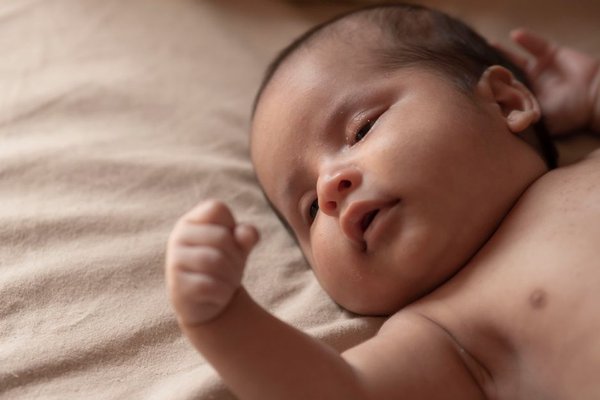
Newborn skin can change almost by the hour. A baby may look clear-skinned after a feed and then develop tiny spots, blotches or dry patches by bedtime. That can be alarming, but many common newborn rashes are temporary reactions as delicate skin adjusts to life outside the womb.
The most useful first step is to look at the whole baby, not only the rash. A newborn who is feeding normally, waking as expected, breathing comfortably and has no fever is less likely to have a serious illness. Still, newborns can become unwell quickly, so trust your instincts and seek medical advice whenever something feels wrong.
Why newborn skin develops so many rashes
A newborn’s skin barrier is thin and sensitive. Hormonal changes, immature sweat glands, friction, moisture and ordinary contact with milk, saliva or nappies can all affect its appearance. In lighter skin, inflammation may look pink or red. On brown or black skin, it may appear purple, grey, darker than nearby skin or mainly feel raised and warm.
Common newborn rashes that are usually normal
Erythema toxicum
Erythema toxicum often appears during the first few days of life. It may look like small white or yellow bumps surrounded by blotchy areas, and the spots can seem to move around the body. Despite its dramatic name, it is harmless, not contagious and usually clears without treatment. Do not squeeze the bumps or apply medicated creams unless advised.
Milia
Milia are tiny white or yellowish dots, usually across the nose, cheeks or chin. They are small collections of keratin trapped beneath the skin, not an infection and not a sign of poor hygiene. They generally disappear within a few weeks. Wash gently with water and avoid scrubbing or popping them.
Baby acne
Baby acne commonly develops on the cheeks and forehead in the first few weeks. It can look like red or skin-coloured pimples and may be more noticeable when the baby is hot, crying or has milk and saliva on the face. Clean gently once a day, pat dry and avoid adult acne products, essential oils and harsh cleansers.
Heat rash
Heat rash forms when sweat becomes trapped under the skin. Tiny raised bumps often appear on the neck, chest, back, armpits or folds. The answer is cooling, not heavy cream. Remove an unnecessary layer, move the baby to a cooler room and use loose, breathable clothing.
For example, if bumps appear around the neck after a nap, check whether a vest, sleepsuit and blanket together are making the baby sweaty. The rash should start improving as the skin cools.
Cradle cap
Cradle cap causes greasy, yellowish scales on the scalp and sometimes near the eyebrows or behind the ears. It is usually not painful. Gently wash with baby shampoo and loosen softened scales with a soft brush, but do not pick at firmly attached flakes. Seek advice if the skin becomes very red, swollen or weepy.
Eczema in babies
Eczema in babies tends to feel dry, rough and itchy rather than simply spotty. It commonly affects the cheeks and may later appear in skin creases. Keep baths short and lukewarm, use fragrance-free products and apply a suitable emollient if advised. Arrange a GP review for a new persistent rash, especially if it is weeping, crusting, painful or affecting sleep and feeding.
Nappy rash
Nappy rash produces sore patches in the area covered by the nappy. Frequent changes, gentle cleaning, careful drying and nappy-free time often help. A thin barrier cream may protect the skin. Seek advice if the rash is severe, spreading, blistered, accompanied by fever or not improving.
A practical way to assess a newborn rash
Instead of trying to identify every spot from a photograph, note when it started, where it began and whether it changes with heat, feeding or nappy changes. Check whether the skin is flat, raised, dry, blistered, crusted or weeping. Take the baby’s temperature with a digital thermometer if they feel hot or unwell.
Take a clear photo in natural light and another several hours later. This can help a midwife, health visitor, GP or paediatrician judge whether the rash is spreading. Keep skincare simple while watching it: avoid fragranced lotions, talcum powder, antiseptics and adult remedies. Related guidance on newborn bathing, newborn feeding signs and safe baby sleep can also help parents recognise broader changes.
When to call the doctor
Get urgent medical advice if a baby under three months has a temperature of 38°C or higher, even if the rash looks mild. Contact NHS 111 or an urgent medical service if the baby is feeding much less, unusually sleepy, difficult to settle, floppy, repeatedly vomiting, producing fewer wet nappies or getting worse.
Call emergency services if the baby has trouble breathing, looks pale, blue, grey or markedly blotchy, has swelling of the lips or tongue, is difficult to wake, has a seizure, or has a purple or red rash that does not fade when pressed firmly with a clear glass. A non-fading rash can be a sign of meningitis or sepsis, but serious illness does not always produce a rash.
Blisters, sores around the eyes or mouth, rapidly spreading redness, pus, marked swelling or skin that is hot and painful also need prompt assessment. With a newborn, asking early is safer than waiting for a textbook pattern.
Frequently asked questions
Can breast milk be used to treat baby acne?
Baby acne usually needs gentle cleansing and time rather than breast milk or other home remedies. Applying extra substances may irritate sensitive skin or make changes harder to assess.
Should I moisturise every newborn rash?
No. Dry conditions such as eczema may benefit from a fragrance-free emollient, while milia, baby acne and heat rash usually do not need moisturiser. Ask a pharmacist, health visitor or GP before using a medicated product.
How long do common newborn rashes last?
Milia and erythema toxicum often fade within days or weeks, while baby acne can last longer. Heat rash should improve once the baby is kept cool. A rash that persists, worsens or repeatedly returns deserves professional review.
Can I rely on the glass test alone?
No. The glass test can help identify a non-fading rash, but a baby can be seriously ill without one. Behaviour, breathing, feeding, temperature and alertness matter just as much.
Gentle care and clear safety checks
Most common newborn rashes are part of normal skin adjustment and clear with simple care. Resist the urge to scrub, squeeze or try several products at once. Keep the baby comfortable, observe the whole child and document changes. When a rash comes with fever, poor feeding, breathing difficulty, unusual sleepiness or a non-fading pattern, seek medical help promptly.