

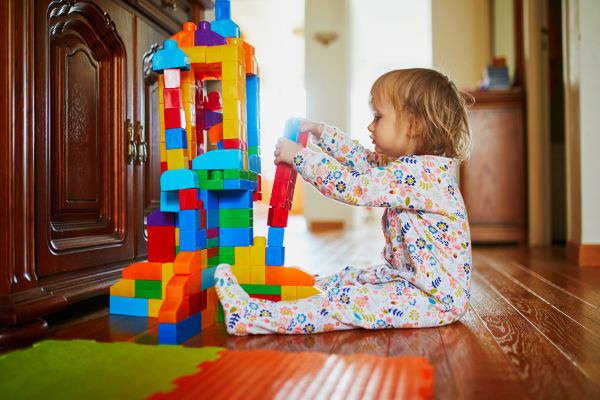
There is something wonderfully unpredictable about toddler imagination. A cardboard box becomes a boat. A wooden spoon turns into a microphone. A blanket over two chairs suddenly becomes a secret house, and somehow every stuffed animal in the room needs a snack, a nap, or a doctor’s appointment. To adults, it may look simple or even a little chaotic. To toddlers, it is serious work.
Imaginative play is one of the most natural ways toddlers explore the world. They copy what they see, test out emotions, practice language, and begin to understand how people, objects, and routines fit together. The best part is that toddler imaginative play ideas do not need to be expensive, complicated, or perfectly planned. Most of the time, the richest play grows from ordinary things already sitting around the house.
For parents and caregivers, the goal is not to create a polished activity every hour. It is to make space for pretend moments, follow the child’s lead, and let imagination stretch in its own funny, messy, beautiful way.
Why Imaginative Play Matters for Toddlers
Toddlers are still learning how the world works. They watch adults cook, clean, talk on the phone, care for babies, drive cars, visit shops, and handle big feelings. Then, through play, they try those moments on for themselves.
When a toddler pretends to feed a doll, they are practicing care. When they roar like a lion, they are exploring confidence and sound. When they place blocks in a row and call it a train, they are using symbolic thinking, which means one thing can stand for another. That is a big developmental step.
Imaginative play also gives toddlers a safe place to work through emotions. A child who has recently visited the doctor may suddenly start giving checkups to teddy bears. A toddler who is adjusting to a new sibling may rock a doll or tuck it under a blanket. These games may seem small, but they often help children understand real experiences in a softer way.
Language grows here too. Pretend play invites words like “sleep,” “eat,” “go,” “help,” “more,” “hot,” “cold,” “baby,” and “bye-bye.” Even toddlers with limited speech can participate through gestures, sounds, facial expressions, and movement.
Creating a Simple Pretend Play Space
A toddler does not need a full playroom to imagine. In fact, too much stuff can sometimes make play feel scattered. A small corner with a few open-ended materials is often enough.
Try placing a basket with scarves, soft animals, small containers, toy cups, fabric pieces, and safe household objects. A few blocks, a blanket, and a cardboard box can become almost anything. The trick is to choose items that do not have only one purpose.
A toy that sings one song may be fun for a minute. A plain box can become a bed, car, cave, shop counter, washing machine, or spaceship. Toddlers love objects they can transform.
It also helps to rotate items now and then. You do not need to buy anything new. Simply putting away a few toys and bringing them back later can make them feel fresh. A scarf forgotten in a drawer might suddenly become a cape, river, picnic blanket, or baby wrap.
Playing House With Everyday Routines
Toddlers are often fascinated by daily life. They watch adults do ordinary tasks and want to join in, usually with a level of seriousness that is both charming and slightly hilarious. Playing house is one of the easiest ways to support imaginative play.
A toddler can pretend to cook with a bowl and spoon, wash dishes with a sponge and a small tub of water, fold washcloths, or put a stuffed animal to bed. They may want to sweep with a child-sized broom or wipe a table with a cloth. These little acts let them feel capable and included.
You can gently join by narrating the scene. “You are making soup.” “The bear is sleepy.” “The cup is full.” Keep it simple and let your child decide where the game goes. If the soup becomes tea, and then the tea becomes medicine for a dinosaur, that is perfectly fine. Toddler logic has its own rhythm.
These pretend routines are especially helpful because they connect play to real life. Children learn sequence, care, responsibility, and language without needing a formal lesson.
Turning Cardboard Boxes Into Worlds
A cardboard box may be the most underrated toy in childhood. For toddlers, it has endless possibility. It can be a car one day and a house the next. It can be a boat, tunnel, shop, bed, rocket, or cozy reading nook.
You do not have to decorate it beautifully. Sometimes adults get so excited about making the perfect cardboard castle that the toddler loses interest before it is done. A simple box with an opening is enough. Let your child climb in safely, place toys inside, push it gently across the floor, or hide soft animals in it.
If your toddler enjoys drawing, give them crayons and let them mark the outside. The scribbles might become windows, wheels, buttons, or nothing in particular. That is still part of the play.
Box play also encourages problem-solving. How do I fit inside? Can the teddy come too? What happens if I close the flap? Can this box become a bed? The answers come through movement, trial, and imagination.
Animal Adventures and Little Roaring Games
Many toddlers love animals because animals invite movement and sound. They can crawl like a bear, hop like a bunny, stretch like a cat, stomp like an elephant, or roar like a lion. Animal pretend play is simple, energetic, and easy to adapt indoors or outside.
You might begin with one stuffed animal and create a small story. The rabbit is hungry. The dog wants to go for a walk. The lion is sleepy. Your toddler may copy you or take the story in a new direction.
Animal games can also help toddlers explore emotions. A tiny mouse might feel shy. A tiger might feel brave. A puppy might feel excited. Through these characters, toddlers can express feelings that may be hard to name directly.
For a calmer version, try making an animal resting place. A blanket becomes a forest. Stuffed animals sleep in little nests made from scarves or towels. Your toddler can tuck them in, whisper goodnight, or bring them pretend food.
Pretend Shops, Cafés, and Picnics
Toddlers often enjoy simple social play, especially when it mirrors places they have seen in real life. A pretend shop or café can be made with just a few containers, toy food, blocks, paper, or safe kitchen items.
One child may place objects on a low table and “sell” them. Another may pour pretend tea or offer snacks to dolls and adults. You can use simple phrases such as “May I have an apple?” or “Thank you for the tea.” Toddlers love repeating familiar social words, and pretend play gives them a reason to use them.
A pretend picnic is another easy idea. Spread a towel on the floor, bring a few stuffed animals, and add empty cups or soft play food. The picnic might last three minutes, or it might turn into a full gathering of every toy in the room. Either way, it gives your toddler a chance to practice sharing, serving, naming, and caring.
Try not to worry if the play does not look realistic. A block can be cake. A sock can be bread. A toy car can attend the picnic. Imaginative play does not follow adult rules.
Dress-Up Without the Fuss
Dress-up play does not need fancy costumes. Toddlers are often just as happy with a scarf, an old hat, a soft bag, or a loose shirt. These simple items let them become someone else for a moment.
A scarf can be a superhero cape, a blanket for a baby, a chef’s apron, or a royal robe. A hat can turn a toddler into a builder, explorer, farmer, or visitor. Shoes, if safe and easy to walk in, can become part of the fun too.
The best dress-up items are comfortable, easy to put on, and not too delicate. Toddlers need freedom to experiment. They may wear the hat backward or wrap the scarf around a stuffed animal instead of themselves. That is part of the creativity.
Dress-up play often leads naturally into storytelling. A child wearing a bag may be “going to work.” A toddler with a scarf cape may run to rescue a toy. A hat may start a pretend walk to the store. Follow the spark when it appears.
Doctor, Vet, and Caregiving Games
Caregiving pretend play is especially meaningful in toddlerhood. Children are often trying to understand what it means to be cared for and to care for others.
A simple doctor game can include a stuffed animal, a blanket, a spoon as a pretend thermometer, and a small box as a bed. Your toddler can check the bear’s ears, give it a drink, or cover it up. You can say, “Bear feels better now,” or “The puppy needs rest.”
This kind of play can be helpful after real-life experiences like checkups, illness, or vaccinations. Toddlers may repeat the same scene many times. Repetition gives them a sense of control over something that may have felt confusing.
A vet game works beautifully with animal toys. The cat has a sore paw. The dog needs a nap. The rabbit is hungry. These small stories support empathy and emotional understanding, while keeping the mood gentle and playful.
Using Music and Movement for Pretend Stories
Music can turn imaginative play into a full-body experience. A soft song might become a lullaby for dolls. A lively rhythm might become a marching parade. A slow beat might become giant footsteps through a pretend jungle.
Toddlers do not need choreography. They need permission to move. You can play a simple rhythm by clapping, tapping a bowl, or singing. Then invite your toddler into a pretend scene. “Let’s walk through the forest.” “The rain is falling.” “The train is coming.”
Movement helps toddlers who may not yet have many words. They can show the story with their bodies. They can crouch, jump, sway, crawl, or freeze. This makes pretend play more inclusive for children at different stages of speech.
A quiet ending helps too. After a busy pretend adventure, you might say, “Now the animals are sleeping,” and slowly settle onto the floor. Toddlers often need help shifting from active imagination back into calm.
Outdoor Imaginative Play With Nature
Outside, imagination has more room to breathe. Sticks become magic wands, leaves become soup, stones become treasure, and patches of grass become forests for tiny creatures.
A short walk can turn into a pretend adventure. You might look for “dragon footprints,” collect leaves for a pretend meal, or search for a good hiding place for a toy animal. Toddlers do not need a large backyard or park. Even a small outdoor space can offer textures, sounds, and changing light.
Nature also invites slower imaginative play. A toddler may spend several minutes placing stones in a row or stirring leaves in a bucket. Adults sometimes feel tempted to move the activity along, but there is value in letting the child stay with one idea.
Outdoor pretend play is wonderfully open-ended. It changes with the weather, the season, and the child’s mood. Some days it is a muddy bakery. Other days it is a leaf hospital. That is the magic of it.
Letting Toddlers Lead the Story
The most important rule in imaginative play is that adults do not have to control the plot. In fact, toddler imaginative play ideas work best when they leave room for the child’s own thinking.
You can offer a starting point, but then step back. If you say, “The teddy is hungry,” your toddler might feed it, put it in a car, hide it in a box, or throw a blanket over it and announce bedtime. None of those choices are wrong.
Following your toddler’s lead tells them their ideas matter. It also helps them build confidence. Instead of being corrected or redirected constantly, they learn that their imagination can shape the play.
Of course, adults can still guide gently when safety, kindness, or frustration becomes an issue. But whenever possible, let the pretend world unfold a little strangely. Toddlers are not trying to write a perfect story. They are exploring possibilities.
Conclusion: Making Room for Everyday Imagination
Imaginative play does not need a grand setup, a themed activity, or a perfect collection of toys. For toddlers, imagination often begins with the simplest things: a box, a spoon, a scarf, a stuffed animal, a patch of grass, or a familiar daily routine copied in their own small way.
These moments may look ordinary, but they carry deep learning. Through pretend play, toddlers practice language, empathy, problem-solving, movement, memory, and emotional expression. They learn how to care, how to try on new roles, and how to make sense of the world they are just beginning to understand.
The best toddler imaginative play ideas are the ones that feel natural in everyday life. They do not need to impress anyone. They simply need space to grow. When adults slow down, offer simple materials, and follow the child’s lead, even the quietest corner of a room can become a kitchen, forest, train station, animal clinic, or tiny home full of stories.
In the end, imaginative play is not just about pretending. It is about becoming. Bit by bit, toddlers use their small invented worlds to understand the real one.