

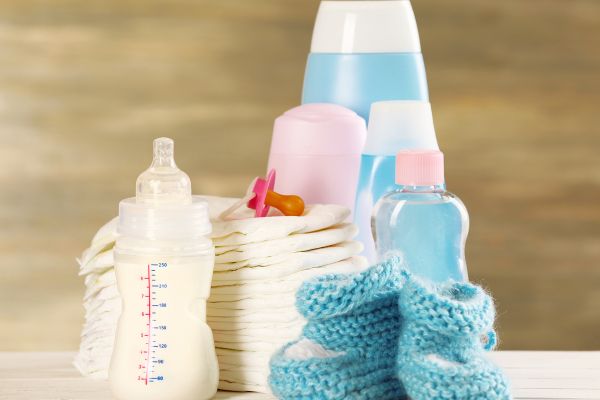
Travel changes the moment a baby enters the picture. A simple weekend trip suddenly involves careful packing, timing naps around departure schedules, and wondering whether it is possible to fit an entire nursery into one diaper bag. Parents who once traveled light often find themselves staring at piles of baby gear thinking, “Do we really need all of this?”
Sometimes the answer is yes. Often, surprisingly, it is no.
The truth is that traveling with a baby is less about bringing everything and more about bringing the right things. Babies do require preparation, of course, but experienced parents usually discover that the most important baby travel essentials are not necessarily the most expensive or complicated items. They are the practical, reliable things that make feeding, sleeping, diaper changes, and comfort easier away from home.
And perhaps most importantly, they help parents feel slightly less overwhelmed while managing an already unpredictable situation.
Because no matter how carefully people plan, baby travel almost always includes a few surprises.
The Diaper Bag Becomes Mission Control
Before having children, many people underestimate how central the diaper bag becomes during travel. It is not just a bag. It functions more like a mobile survival kit.
A well-packed diaper bag can make airport delays, road trip stops, and restaurant visits far less stressful. The key is balance. Overpacking creates unnecessary weight and clutter, while underpacking can turn small inconveniences into genuine problems.
Diapers, wipes, changing pads, extra outfits, bottles, snacks, pacifiers, and burp cloths usually form the foundation. Yet parents quickly learn that organization matters just as much as the items themselves.
Trying to locate a clean onesie during a mid-flight diaper emergency while passengers board around you is not an experience most parents want twice.
The best travel setups are often the simplest. Easy access matters more than perfection.
Extra Clothes Are Never Truly “Extra”
One universal truth of baby travel is that babies have remarkable timing when creating messes.
Spit-up happens after fresh outfit changes. Diaper leaks occur shortly before arrival. Snacks somehow end up everywhere except inside the mouth.
Because of this, extra clothing becomes one of the most important baby travel essentials almost immediately.
Parents often begin trips with carefully coordinated outfits in mind and quickly shift toward practical survival mode instead. Comfortable, easy-to-change clothes usually become favorites during travel.
The interesting thing is that parents eventually stop thinking of spare outfits as optional backups. They become expected necessities.
And not only for the baby.
Many parents learn the hard way that carrying an extra shirt for themselves is sometimes equally important.
Feeding on the Go Requires Flexibility
Feeding routines become more complicated during travel because schedules rarely stay predictable.
Breastfeeding parents may need nursing covers, storage bags, or portable pumps depending on the trip length. Formula-feeding families often organize pre-measured containers, sterilized bottles, and reliable access to clean water.
Once babies begin solids, snacks suddenly become powerful travel tools.
Simple, familiar foods can help calm overstimulated babies during flights, road trips, or long waits. Parents often discover that snacks solve far more problems than they originally expected.
The challenge is less about perfection and more about adaptability. Travel disrupts routines naturally, and babies sense that disruption too.
Sometimes feeding during travel feels organized and peaceful. Other times it happens hurriedly in airport corners, parked cars, or noisy waiting areas while parents quietly hope no one notices the chaos.
That unpredictability becomes part of the experience.
Sleep Essentials Matter More Than Parents Expect
Few things affect family travel more dramatically than sleep.
A well-rested baby can handle schedule changes surprisingly well. An overtired baby, on the other hand, can transform even short trips into exhausting experiences for everyone involved.
That is why sleep-related baby travel essentials often become priorities quickly.
Portable cribs, travel bassinets, familiar sleep sacks, pacifiers, white noise machines, and favorite blankets can all help recreate parts of normal bedtime routines away from home.
Interestingly, babies often respond strongly to familiar sleep cues. A specific blanket texture or bedtime sound may suddenly matter much more during travel than it does at home.
Parents also tend to become creative problem-solvers when protecting naps. Stroller walks, car rides, baby carriers, and darkened hotel bathrooms have all quietly saved countless family vacations.
Traveling with babies often teaches flexibility in ways parenting books rarely describe fully.
Strollers and Carriers Each Solve Different Problems
The stroller-versus-carrier debate becomes surprisingly personal for traveling parents.
Strollers provide storage, convenience, and structure during airport navigation or city sightseeing. Lightweight travel strollers especially appeal to families moving through crowded spaces or using public transportation.
Baby carriers, however, offer mobility that strollers sometimes cannot. Cobblestone streets, stairs, crowded markets, hiking paths, and narrow spaces suddenly become easier when babies are carried close.
Many parents eventually realize that both have advantages depending on the destination and travel style.
Airports are a good example. A stroller helps transport diaper bags and tired babies efficiently, but baby carriers become extremely useful during security checks or boarding.
The most useful baby travel essentials are often the ones that reduce physical strain for parents as much as they comfort babies.
Because tired parents generally handle travel stress better when they are not physically exhausted too.
Travel Changes Daily Routines Completely
Babies thrive on familiarity and routine, which makes travel inherently disruptive.
Nap schedules shift. Feeding times drift. Bedtime suddenly happens in unfamiliar rooms with different sounds, lighting, and temperatures.
Parents often enter travel hoping routines will remain perfectly intact. Most eventually discover that flexibility matters more than strict scheduling.
This realization changes what people prioritize packing.
Comfort items become more valuable than decorative outfits. Familiar bedtime objects matter more than perfect travel itineraries. Simplicity often wins over ambitious planning.
The best baby travel essentials tend to support adaptability rather than trying to control every variable completely.
And honestly, some trips go far more smoothly than parents fear beforehand.
Hygiene and Clean-Up Supplies Quietly Save the Day
Travel with babies generates constant small messes.
Sticky hands, spilled bottles, dirty pacifiers, unexpected diaper situations, and public changing tables all become part of normal family travel.
This is why hygiene-related supplies often become unsung heroes.
Wipes alone solve an astonishing range of problems. Parents use them for diaper changes, tray tables, hands, toys, spills, restaurant tables, and occasionally themselves.
Portable hand sanitizer, disposable bags, bibs, changing pads, and compact cleaning cloths also become surprisingly important over time.
Travel tends to magnify small inconveniences. Simple cleaning tools reduce stress in ways people rarely appreciate until they genuinely need them.
Entertainment Becomes Strategic
Babies and young toddlers do not understand delayed flights, long road trips, or restaurant wait times. Keeping them entertained during travel requires creativity and patience.
Small toys, soft books, sensory items, teething tools, and familiar comfort objects help during transitions and waiting periods.
Interestingly, babies often become fascinated by ordinary travel experiences adults overlook completely. Airport lights, escalators, luggage wheels, or airplane windows can hold attention longer than carefully packed toys.
Still, having a few reliable distractions matters.
Parents quickly learn that boredom and overtiredness are dangerous combinations during travel days.
The goal is not constant stimulation but rather enough familiarity and engagement to help babies feel secure in unfamiliar environments.
Weather Preparation Changes Everything
Travel exposes babies to changing temperatures and conditions much more frequently than everyday routines at home.
Layered clothing, lightweight blankets, sun hats, rain covers, warm socks, and breathable fabrics become especially important during trips involving outdoor movement or multiple climates.
Babies cannot regulate temperature as efficiently as adults, so parents often become hyperaware of weather changes during travel.
There is also a strange psychological element to this. Parents spend large portions of trips quietly wondering whether the baby feels too warm or too cold.
Eventually, most families develop their own systems for managing weather flexibility without overpacking excessively.
The goal becomes practical readiness rather than carrying an entire backup wardrobe.
Emotional Comfort Matters Too
One aspect of baby travel people rarely discuss enough is emotional comfort.
Travel can feel overstimulating for babies. New environments, unfamiliar sounds, disrupted schedules, and crowded public spaces all affect mood and behavior.
Familiar items often help more than parents expect.
A favorite blanket, bedtime book, pacifier, stuffed toy, or even familiar pajamas can create small moments of emotional stability during chaotic travel days.
Parents themselves also need emotional reassurance. Sometimes carrying well-loved baby essentials feels comforting because it creates a sense of preparedness, even when everything else feels unpredictable.
Traveling with babies is not only logistical. It is emotional too.
Parents Learn to Simplify Over Time
First trips with a baby often involve dramatic overpacking. Parents understandably worry about forgetting something important.
Then experience slowly changes perspective.
Many families eventually discover they need fewer gadgets and more practical basics. Reliable essentials consistently outperform complicated travel systems that looked impressive online.
The most valuable items are usually the ones that reduce stress, simplify routines, and support flexibility rather than trying to eliminate unpredictability entirely.
Because babies remain wonderfully unpredictable no matter how carefully people prepare.
Conclusion
Baby travel essentials are ultimately about creating comfort, flexibility, and practicality during situations that naturally involve uncertainty. From diaper bags and feeding supplies to sleep aids and weather-ready clothing, the most useful travel items help families adapt smoothly to changing routines and unfamiliar environments.
Traveling with a baby is rarely effortless, but it is often far more manageable than anxious parents initially imagine. Over time, families learn which essentials genuinely matter and which items simply add unnecessary clutter.
In the end, successful baby travel is not about perfect packing lists or flawless schedules. It is about creating enough comfort and preparedness that families can move through the experience with a little more confidence — and perhaps even enjoy the journey along the way.